


Step-By-Step Architectural Guide
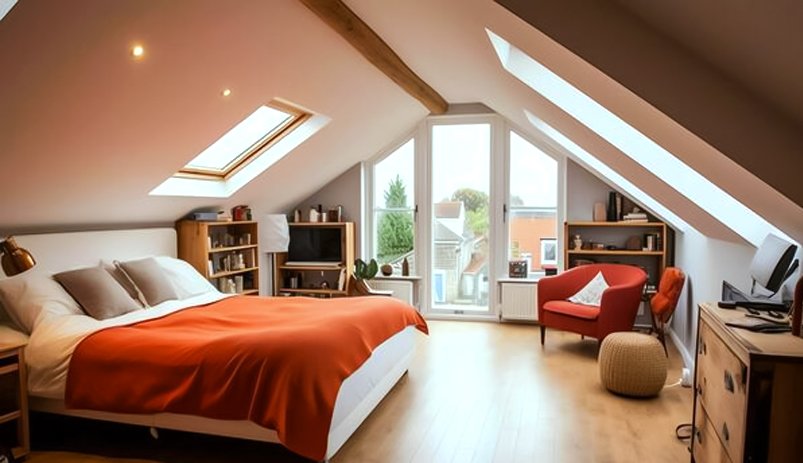
Planning a home extension, loft conversion, flat conversion, or new-build project is one of the best ways to maximise your property’s value and functionality. However, achieving a successful outcome requires careful planning, professional architectural design services, and a clear understanding of UK planning regulations. Whether you’re a homeowner creating more living space or an investor enhancing a property’s potential, expert guidance can help you avoid costly mistakes and keep your project on track.
In this guide, we explain the key stages of planning a successful property development, from architectural design and planning permission support to 3D architectural visualisation and technical drawings, helping you move confidently from concept to construction.
Step 1: Identify the Goal of Your Property Project
Before meeting an architect, clearly define what you want to achieve.
Typical goals include:
- Adding more living space
- Increasing rental income
- Future-proofing your home
- Modernising outdated layouts
- Converting unused lofts or garages
- Dividing a property into multiple flats
- Preparing land for a new build
- Developing a commercial unit
Step 2: Consult an Architectural Design Specialist
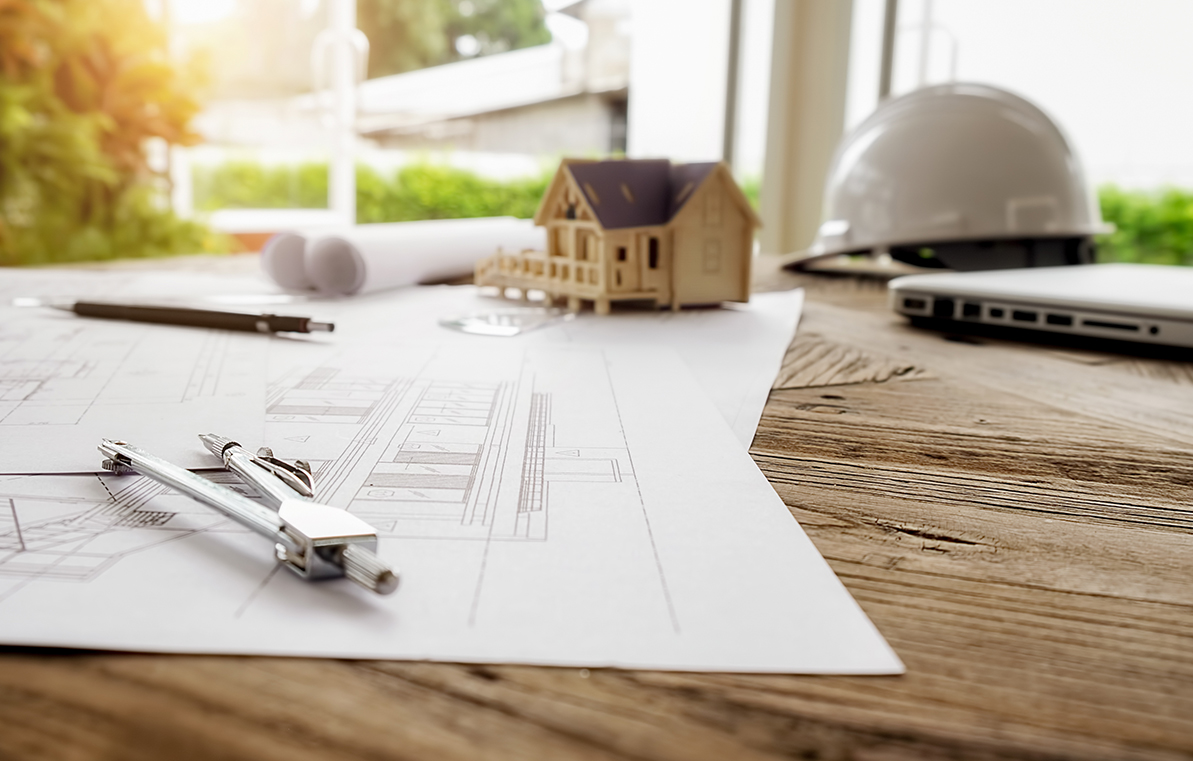
Working with experts in Architectural Design UK is the most important step of your project. Professional architects help shape your ideas into practical, safe, and build-ready concepts.
Benefits of Hiring an Architectural Specialist
- Optimises the use of your available space
- Ensures structural safety and building regulation compliance
- Produces detailed drawings for builders
- Reduces costly mistakes during construction
- Maximises property value
- Ensures your design meets planning requirements
Step 3: Verify Planning Permission Requirements
Common Projects That Require Planning Permission
- Rear, side, or wrap-around extensions
- Loft conversions with dormers
- Many flat conversions
- New builds
- Commercial developments
- Major structural changes
Step 4: Visualise the Design Before You Build
Why 3D Visualisation Is a Game-Changer
- Shows accurate colours, materials, and lighting
- Helps you make confident design decisions
- Makes planning officers more likely to approve
- Provides clarity to builders and contractors
- Eliminates guesswork and reduces design changes later
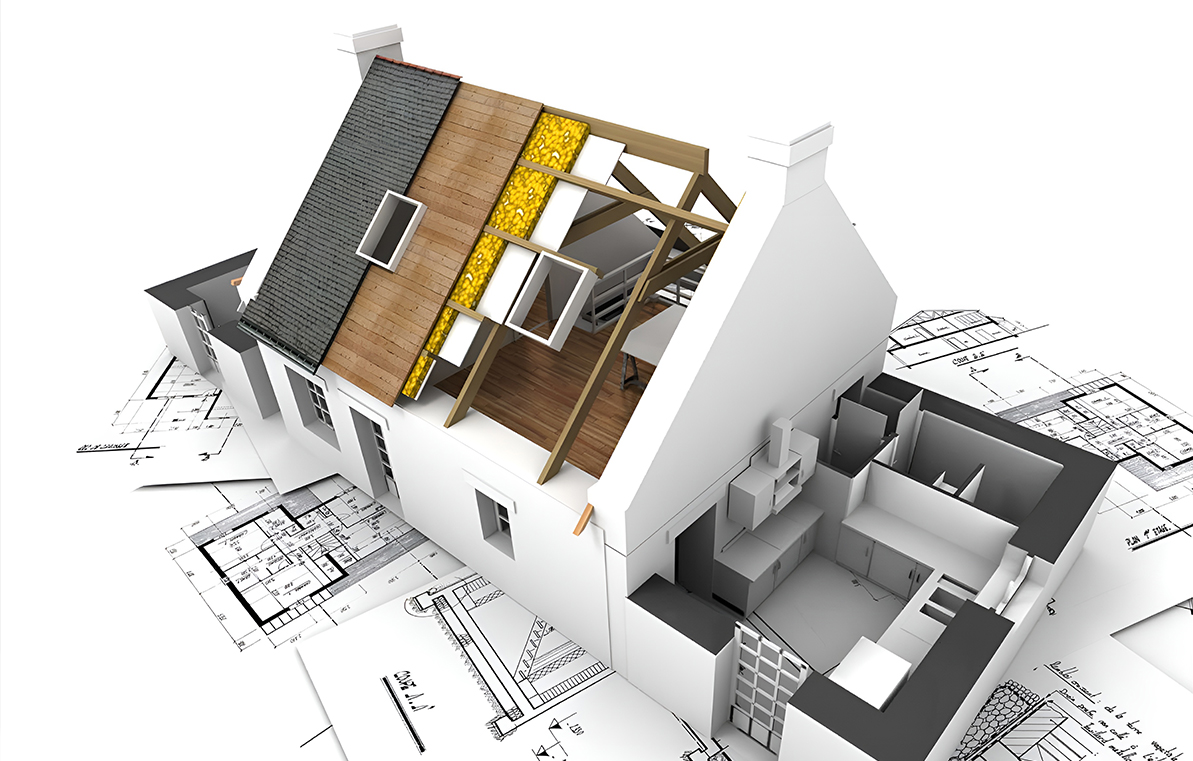
Step 5: Prepare Detailed Architectural Drawings
These typically include:
- Floor plans
- Elevations
- Sections
- Structural layouts
- Site plans
- Material specifications
Step 6: Submit for Planning Permission
A Strong Application Includes:
- Accurate architectural drawings
- Design and access statements
- Compliance with local planning policies
- Neighbour and environmental considerations
- Supporting documents and 3D renders
Step 7: Begin Construction With Confidence
Once planning permission is granted and final drawings are issued, construction can begin.
Many architectural teams also offer project management, ensuring:
- Accurate architectural drawings
- Design and access statements
- Compliance with local planning policies
- Neighbour and environmental considerations
- Supporting documents and 3D renders
This final step turns your design into a durable, functional, and visually impressive space.
Why Proper Planning Delivers Better Property Value
A well-planned extension, conversion, or new build offers long-term benefits, including:
- Higher property resale value
- Increased rental demand
- Better energy efficiency
- Improved living comfort
- Modern, future-proofed layouts
- Stronger market appeal
Final Thoughts
Whether you’re planning a house extension, loft conversion, flat conversion, new-build home, or commercial development, choosing the right architectural design team is essential for a successful outcome.
At Dream Design Develop, we combine professional architectural design services, planning consultancy, 3D architectural visualisation, and technical expertise to support every stage of your project. From initial concepts and planning applications to construction-ready drawings,
our experienced team is committed to delivering practical, compliant, and high-quality design solutions that maximise the long-term value of your property.